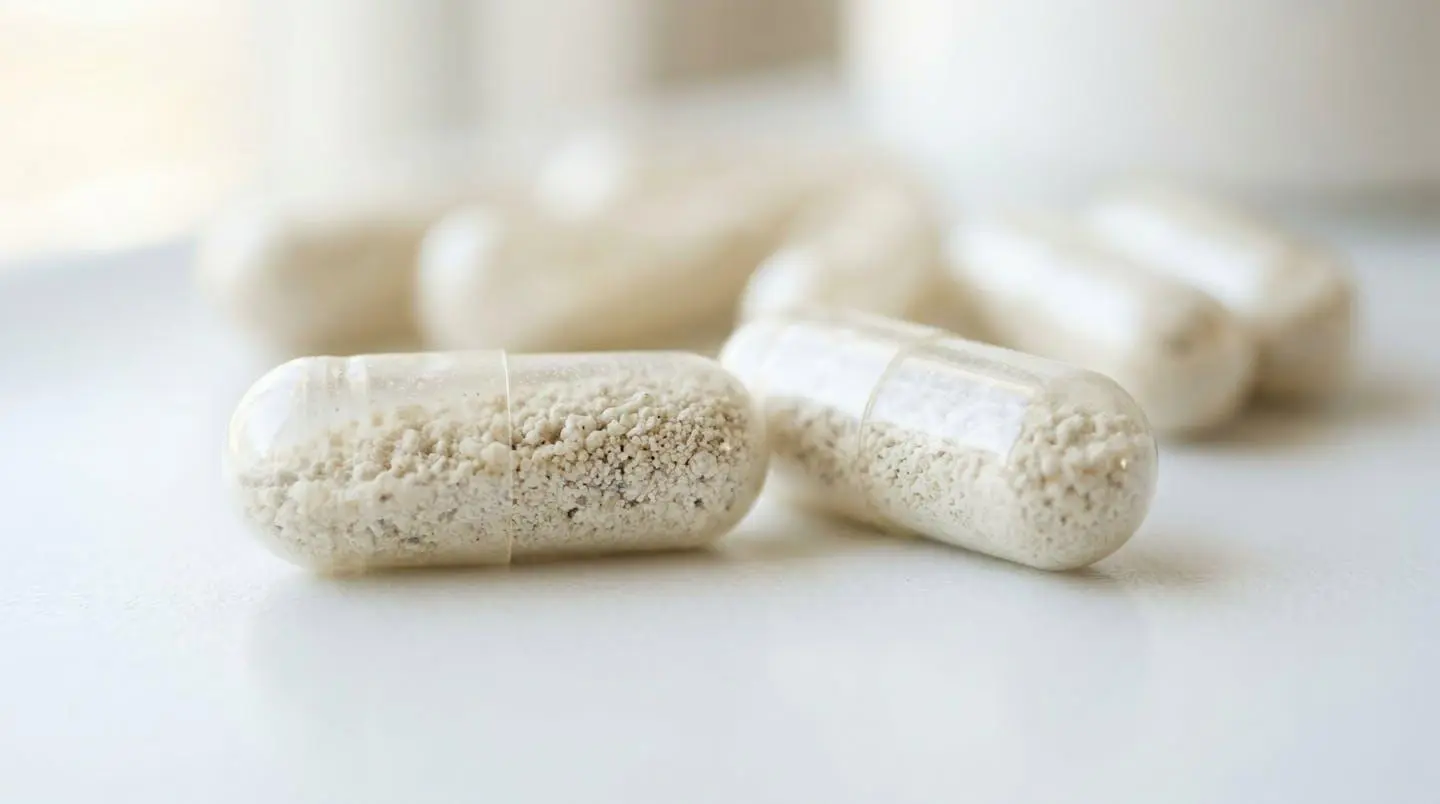
Recurrent urinary discomfort affects millions of women across the UK, yet standard advice rarely addresses a critical factor: the health of your vaginal microbiome. While most guidance focuses on hydration and hygiene, emerging research reveals that the microscopic ecosystem residing in the vagina acts as the first line of defence against urinary tract infections. When this delicate balance of bacteria shifts, the protective barrier weakens—opening pathways for pathogens to migrate upward into the urinary tract. Understanding this biological connection transforms how we approach both prevention and long-term urinary comfort, moving beyond reactive antibiotic cycles toward strategies that restore microbial resilience.
The essentials you need to know before diving in:
- Your vaginal microbiome, dominated by protective Lactobacillus species, forms the primary barrier preventing urinary infections
- Disrupted vaginal flora—triggered by antibiotics, pH shifts, or hormonal changes—allows uropathogens to colonise the urinary tract
- Specific probiotic strains (L. rhamnosus GR-1, L. reuteri RC-14, L. crispatus) demonstrate clinical evidence for reducing UTI recurrence when microbial balance is restored
- Quality probiotics require billions of viable bacteria and strain-specific research—generic formulations often lack urogenital relevance
Contents of this guide
Why Your Vaginal Microbiome Matters for Urinary Health
The female urogenital anatomy creates an interconnected microbial environment where vaginal and urinary ecosystems directly influence one another. As highlighted by Lewis & Gilbert’s landmark review on the vaginal microbiota and UTI, the vagina serves as a reservoir for both protective bacteria and potential uropathogens—most notably Escherichia coli, responsible for the overwhelming majority of community-acquired urinary tract infections.

In healthy women of reproductive age, the vaginal microbiome is dominated by Lactobacillus species—primarily L. crispatus, L. gasseri, and L. jensenii. These beneficial bacteria produce lactic acid, maintaining an acidic environment with a pH between 3.8 and 4.5. This acidity creates an inhospitable climate for pathogenic bacteria, effectively preventing their overgrowth and subsequent migration to the nearby urethral opening.
The anatomical proximity between the vaginal and urethral openings means that microbial populations can easily transfer between these sites. When the vaginal ecosystem remains balanced, protective Lactobacillus species form biofilms that physically block pathogen attachment and actively secrete antimicrobial compounds. Research published in the 2024 FEBS Journal review on interconnected urogenital microbiomes confirms that healthy urogenital microbiomes predominantly colonised by lactobacilli, particularly L. crispatus, can acidify the local environment and protect against pathogenic invasion.
This protective mechanism explains why women with Lactobacillus-dominant vaginal flora experience significantly fewer urinary infections. The microbiome functions as an invisible shield—when intact, it repels invaders; when compromised, it leaves the urinary tract vulnerable to colonisation by E. coli and other uropathogens that would otherwise struggle to establish infection.
How Disrupted Vaginal Flora Triggers Urinary Discomfort ?
Antibiotics clear a urinary tract infection within days—but three months later, another infection strikes. This frustrating cycle isn’t coincidence; it reflects a disrupted microbiome failing to protect. The very treatment that eliminates acute infection simultaneously destroys beneficial vaginal bacteria, creating conditions ripe for reinfection.
Vaginal dysbiosis—the state of microbial imbalance—elevates pH above the protective 4.5 threshold. Without sufficient Lactobacillus populations producing lactic acid, the environment becomes neutral or alkaline, allowing pathogenic bacteria to flourish. This 2026 cross-sectional study published in Frontiers in Microbiology reveals that loss of Lactobacillus dominance and species turnover are significantly more pronounced in women experiencing recurrent UTIs, consistent with chronic microbiome instability.
Targeted probiotic formulations, such as NUTERGIA Ergyphilus intima: probiotic intimate comfort, combine specific Lactobacillus strains shown to rebalance vaginal and urinary ecosystems, offering a preventive strategy alongside medical care. These supplements deliver concentrated doses of viable bacteria designed to restore the protective microbial barrier that antibiotics inadvertently damage.
The cycle becomes self-perpetuating: antibiotic use reduces protective bacteria, which increases UTI susceptibility, leading to further antibiotic prescriptions that worsen dysbiosis. Clinical data demonstrates this pattern clearly—women with recurrent infections show progressively depleted Lactobacillus populations and expanding reservoirs of uropathogenic E. coli in both vaginal and rectal sites. The instability creates a three-way highway: pathogens migrate from the intestinal tract to the vagina, then ascend into the urinary system, while diminished lactobacilli fail to block their passage.
When to seek immediate GP consultation:
- Severe pain, high fever, or visible blood in urine (potential kidney infection requires urgent medical assessment)
- Symptoms persisting beyond 48 hours despite home care measures
- Recurrent infections (three or more annually) warranting specialist investigation for underlying causes
- Any urinary symptoms during pregnancy—immediate GP evaluation essential
Hormonal fluctuations compound the problem. Menopause reduces oestrogen levels, which in turn decreases vaginal glycogen—the primary fuel source for lactobacilli. Post-menopausal women consequently face higher UTI rates due to this fundamental shift in microbial ecology. Understanding these mechanisms clarifies why addressing vaginal microbiome health becomes essential for lasting urinary comfort rather than merely treating isolated infection episodes.
The Lactobacillus Strains That Protect Urinary Comfort
Not all Lactobacillus strains are equal—think of them as specialist security teams, each trained for different defence roles in the urogenital ecosystem. While commercial probiotics often list generic « Lactobacillus blend » on labels, scientific evidence reveals distinct functional differences between species and even between specific strain designations.

Lactobacillus crispatus: The Dominant Protector
L. crispatus consistently emerges as the most prevalent species in healthy vaginal microbiomes. Its dominance correlates with lower UTI incidence in observational studies, primarily through robust lactic acid production that maintains pH between 3.8 and 4.5. This species produces hydrogen peroxide and bacteriocins—antimicrobial peptides that actively inhibit pathogen growth.
The presence of L. crispatus serves as a biomarker for urogenital health. Women whose vaginal ecosystems maintain high L. crispatus populations experience significantly fewer episodes of bacterial vaginosis and urinary infections. However, this species proves vulnerable to antibiotic disruption, often failing to spontaneously recolonise after treatment without targeted supplementation.
Lactobacillus rhamnosus GR-1 & reuteri RC-14: The Clinical Duo
These two strains represent the most extensively studied probiotic combination for urogenital health. Unlike L. crispatus, which naturally dominates healthy vaginas, GR-1 and RC-14 were specifically selected through clinical research for their ability to survive stomach acid, adhere to vaginal epithelial cells, and competitively exclude uropathogens.
Randomised controlled trials demonstrate that daily supplementation with this strain combination significantly reduces UTI recurrence rates in women with chronic infections. The mechanism involves both direct pathogen inhibition and immune system modulation—the strains stimulate local immune responses that enhance the body’s natural defences without triggering inflammation.
The clinical evidence supporting GR-1 and RC-14 sets them apart from generic probiotic formulations. Studies document their capacity to persist in the vaginal environment for weeks after supplementation ceases, suggesting they can reestablish stable protective populations rather than merely providing temporary support.
Choosing Probiotics with Proven Urinary Benefits
The supplement market floods consumers with « women’s probiotics, » yet few products contain strains with urogenital-specific clinical validation. Understanding the principles of gendered marketing helps consumers navigate claims critically and assess genuine clinical relevance versus marketing positioning designed to capitalise on gender-specific health concerns.
Effective formulations specify exact strain designations (not simply « Lactobacillus species ») and deliver adequate colony-forming units (CFU). Research suggests a minimum of 6 billion CFU per dose for urogenital applications, though higher concentrations may enhance colonisation success. Products must also ensure bacterial viability through proper packaging, storage requirements, and expiry dating—live bacteria lose potency over time, particularly when exposed to heat or moisture.
| Strain | Primary Mechanism | Urinary-Specific Evidence | Typical Dose |
|---|---|---|---|
| L. crispatus | Lactic acid production, pH regulation (3.8-4.5) | Dominant in healthy vaginal flora; associated with lower UTI rates (observational studies) | Varies (often combined with other strains) |
| L. rhamnosus GR-1 + L. reuteri RC-14 | Pathogen inhibition, immune modulation, urethral colonisation resistance | RCTs show significant reduction in UTI recurrence (peer-reviewed) | 1-2 billion CFU each, daily |
| Generic ‘women’s probiotics’ (unspecified strains) | Variable—often gut-focused strains | Limited or none | Variable |
Third-party testing provides additional assurance. Independent verification confirms that products contain the stated strains at claimed potencies, free from contamination. In the UK, while the NHS does not routinely prescribe probiotics for UTI prevention, over-the-counter supplements must still comply with safety regulations—though efficacy claims remain largely unregulated, making consumer education essential.
Building a Urinary-Vaginal Health Routine That Works
Can a daily capsule really prevent months of discomfort and antibiotic cycles? Evidence says yes—when combined with informed choices about strain selection, lifestyle factors, and realistic expectations. Probiotic supplementation forms one pillar of a comprehensive approach to urogenital health, not a standalone miracle cure.
Begin with strain-specific supplementation. Select products containing clinically studied Lactobacillus strains (GR-1, RC-14, or crispatus) at therapeutic doses of at least 6 billion CFU. Consistency matters more than sporadic high doses—daily supplementation allows beneficial bacteria to establish stable populations in the vaginal tract. Clinical studies suggest 4 to 8 weeks of continuous use before measurable effects on UTI recurrence become apparent, with optimal benefits emerging after 2 to 3 months.
Timing supplementation around antibiotic treatment requires strategic planning. Take probiotic capsules at least 2 to 3 hours apart from antibiotic doses to minimise bacterial destruction. Continue supplementation for several weeks after antibiotic completion to actively restore microbiome balance rather than allowing dysbiosis to persist. This approach transforms antibiotics from microbiome disruptors into temporary interventions within a broader restoration strategy.
Supporting vaginal pH naturally: Avoid harsh soaps, douches, and perfumed intimate products that elevate pH above the protective 4.5 threshold. Opt for plain water or pH-balanced intimate washes. Post-coital urination helps flush potential uropathogens before they establish infection, while staying well-hydrated dilutes urine and prevents bacterial concentration in the bladder.
Hormonal factors influence microbiome stability throughout life. Post-menopausal women may benefit from discussing localised oestrogen therapy with their GP—when combined with probiotic supplementation, this approach can restore both the hormonal environment lactobacilli require and the bacterial populations themselves. Younger women should note that hormonal contraceptives, particularly those altering oestrogen levels, can shift vaginal ecology and may necessitate more vigilant microbiome support.
Your Probiotic Selection Checklist
- Strain names specified on label (L. rhamnosus GR-1, L. reuteri RC-14, or L. crispatus—not just « Lactobacillus blend »)
- CFU count of 6 billion or higher per dose (for urogenital formulations)
- Storage requirements clearly stated (refrigeration if needed)
- Clinical evidence referenced (studies cited or available on company website)
- Third-party testing verified (USP, NSF, or equivalent UK certification)
- Expiry date clear and distant (probiotics lose potency over time)
- Free from unnecessary fillers and known allergens (if you have sensitivities)
Supporting urinary comfort through microbiome health represents one dimension of a holistic approach to women’s wellbeing. For insights into how targeted supplementation addresses other health priorities, such as sleep quality and energy balance, explore the role of dietary supplements in promoting deeper rest and vitality across multiple bodily systems.
Your Questions About Vaginal Probiotics and Urinary Health
How long does it take for probiotics to improve urinary comfort?
Clinical studies suggest 4 to 8 weeks of consistent daily use before noticeable effects on UTI recurrence emerge. Individual responses vary—some women report benefits sooner, while others require 2 to 3 months. Probiotics function as preventive tools, not acute treatments; they work by gradually restoring microbial balance rather than providing immediate symptom relief.
Can I take probiotics while on antibiotics for a UTI?
Yes, though timing matters. Take probiotics at least 2 to 3 hours apart from antibiotic doses to minimise bacterial destruction. Continue probiotics for several weeks after antibiotics finish to help restore microbiome balance and reduce recurrence risk. Consult your GP if unsure about interactions with specific medications.
Are vaginal probiotics different from gut probiotics?
Yes—urogenital probiotics contain strains (like L. rhamnosus GR-1, L. reuteri RC-14) that colonise the vaginal tract, whereas gut probiotics (such as Bifidobacterium or Lactobacillus acidophilus) target digestive health. While some overlap exists, strains matter significantly—choose formulations with urinary-specific clinical evidence rather than generic digestive supplements marketed to women.
Can probiotics replace antibiotics for UTI treatment?
No. Probiotics are preventive, not curative. Active UTIs require antibiotic treatment prescribed by your GP. Probiotics’ role involves reducing recurrence risk by maintaining protective vaginal flora—they complement medical care but never replace it. Delaying antibiotic treatment for confirmed UTI can lead to kidney infection, a serious complication requiring urgent care.
Are there side effects from intimate probiotics?
Most women tolerate urogenital probiotics well. Mild, temporary digestive changes (bloating, gas) can occur as the body adjusts, though these effects are less common with vaginal-specific strains compared to high-dose gut probiotics. If you experience unusual symptoms, discontinue use and consult your GP to rule out other causes.
What this means for your urinary health moving forward: The connection between vaginal microbiome health and urinary comfort represents a paradigm shift from reactive treatment to preventive strategy. Rather than accepting recurrent infections as inevitable, you can actively restore the protective bacterial populations that antibiotics and modern lifestyles disrupt.
Before reaching for your next round of antibiotics, ask yourself: have you addressed the underlying microbial imbalance that makes reinfection likely? Targeted probiotic supplementation, combined with pH-conscious hygiene and timely GP consultation when needed, offers a sustainable path forward—one that breaks the cycle rather than perpetuating it.
Important Health Considerations
- This article does not replace personalised medical advice from your GP or healthcare provider
- Probiotic efficacy can vary depending on individual health conditions and the specific strains used
- Persistent or severe urinary symptoms require professional medical evaluation
- Supplement regulations and approved health claims may vary; verify with UK MHRA guidance
Specific risks to be aware of:
- Delaying GP consultation for recurrent UTIs can lead to kidney infection (pyelonephritis), a serious condition requiring immediate treatment
- Self-diagnosing urinary symptoms may miss underlying conditions requiring prescription treatment or specialist investigation
- Not all probiotic products contain clinically studied strains at effective doses—verify strain names and CFU counts rather than relying on marketing claims
For persistent urinary concerns or recurrent infections, consult your GP, a urologist, or a women’s health specialist for comprehensive assessment and personalised treatment planning.