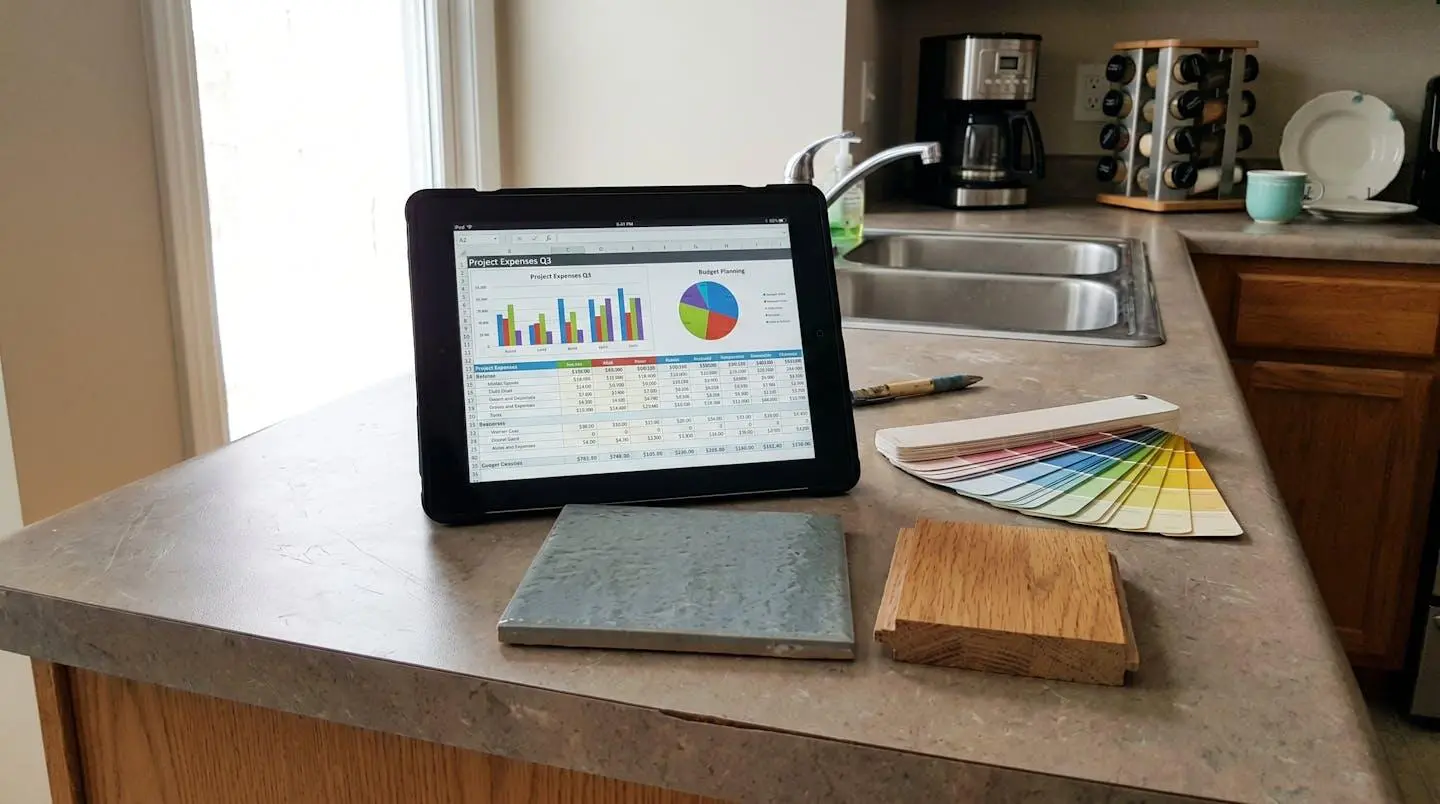
Most Ottawa homeowners enter renovation projects with carefully calculated budgets—then watch those numbers climb by 15%, 25%, sometimes 40% before the final invoice arrives. The frustration isn’t the cost itself; it’s the unpredictability. You’re not looking for the cheapest option. You want to know which circumstances actually deliver the budget certainty contractors promise in their initial quotes. According to the Q2 2025 Residential Renovation Price Index published by Statistics Canada, renovation costs increased 0.9% nationally in the second quarter of 2025, with Ottawa-Gatineau among the regions showing the smallest quarterly increases at just 0.3%—a relatively stable pricing environment compared to western provinces. Yet stability in the broader market doesn’t guarantee your specific project will stay on budget. The difference comes down to three measurable conditions present before the first wall comes down.
What determines budget adherence in your Ottawa renovation project:
- Budget success correlates directly with planning depth—detailed pre-construction assessment reduces overrun risk by identifying structural unknowns early
- Kitchen and basement renovations offer Ottawa’s highest budget predictability when scope is locked before material orders
- Three critical factors separate success from failure: fixed scope definition, material pre-selection, and permit timeline factored into contracts
- A 15-20% contingency fund is non-negotiable for any project involving structural elements or older homes
Why detailed planning separates budget wins from budget disasters
The instinct is to get quotes fast, compare numbers, pick a contractor, and start. That sequence feels efficient. In reality, it’s the primary predictor of budget failure in Ottawa residential projects. The planning phase isn’t administrative overhead—it’s the mechanism that locks in your actual cost before legal commitment.
Consider a Barrhaven homeowner planning a 35,000 dollar kitchen renovation with quotes ranging $32,000-$41,000. Mid-demolition, knob-and-tube wiring behind cabinets required 8,200 dollars in electrical upgrades to meet Ontario Building Code. The project finished via home equity credit. The root cause wasn’t the wiring—homes built before 1950 often have outdated electrical—but skipping pre-construction assessment that would have identified it when budget had room to adjust.
Working with an experienced renovation contractor during the planning stage—before finalizing your budget—provides professional assessment of potential structural issues, realistic timeline estimates, and accurate cost projections that DIY estimation cannot match. Experienced contractors conduct detailed structural evaluation before quotes become binding, eliminating mid-project surprises that destroy budgets.
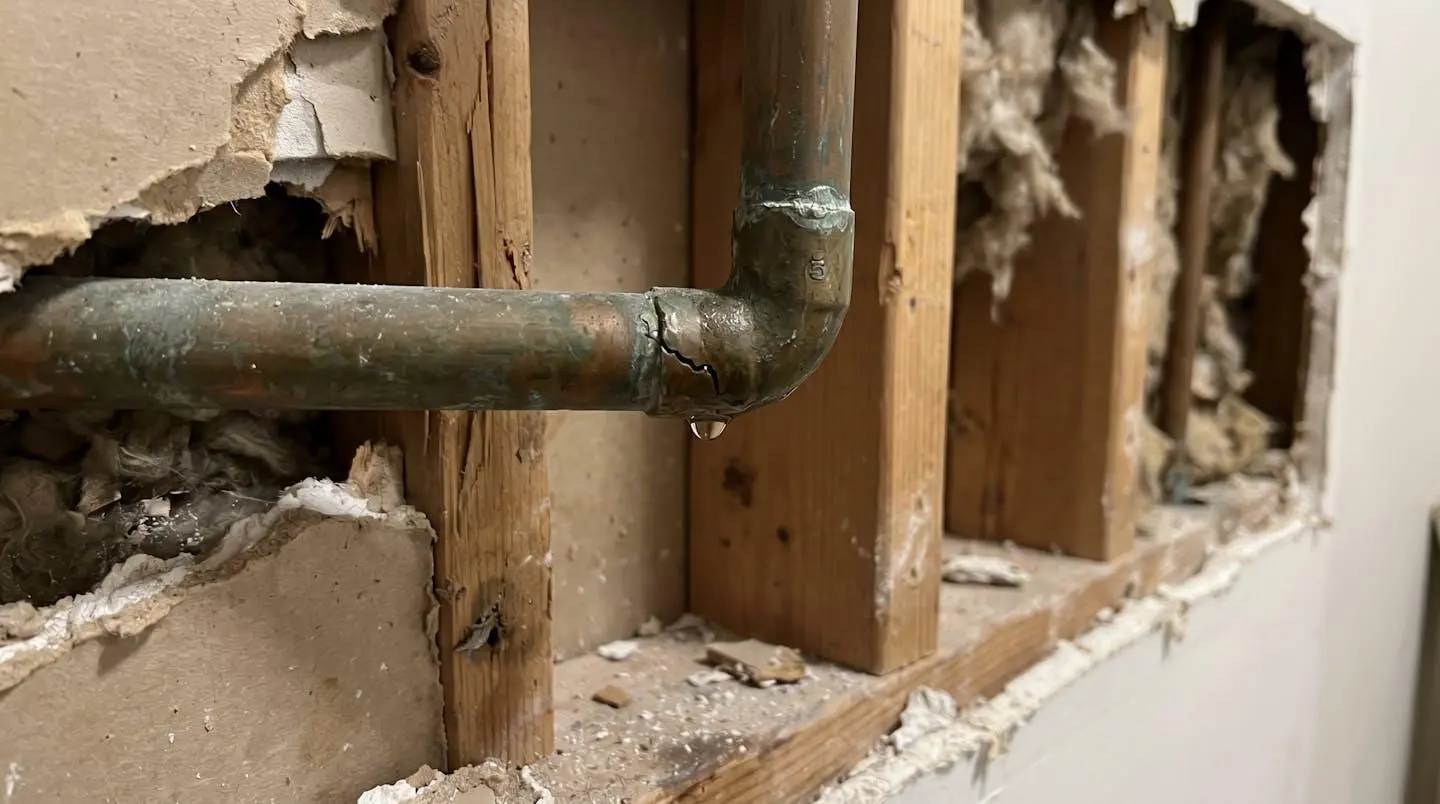
CHBA’s pre-renovation planning framework confirms that many renovation problems are a direct result of poor planning, not contractor incompetence or material cost fluctuations. The Canadian Home Builders’ Association recommends separating renovation goals into « must-have » and « nice-to-have » categories before any contractor is even contacted—this prioritization step alone is cited as a direct factor in keeping projects on budget.
In practice, budget-adherent Ottawa renovations share a common timeline structure: they dedicate 2-4 weeks to planning and assessment before signing contracts, compared to budget-failure projects that compress this phase into a single week or skip it entirely. Those extra weeks aren’t wasted time—they’re the period when structural unknowns get identified, accurate material costs get locked in, and scope gets defined with enough precision that change orders become rare rather than routine.
Kitchen and basement projects: Ottawa’s most predictable renovation investments
Not all renovation types carry equal budget risk. The project category itself—kitchen, bathroom, basement, addition—significantly predicts whether you’ll finish within 10% of your initial estimate or face a 30%+ overrun. Understanding these differences before choosing which room to renovate can fundamentally change your budget outcome.
Kitchen and basement renovations lead Ottawa’s budget-predictability rankings for different reasons. Kitchens benefit from highly standardized workflows—cabinet installation, countertop templating, appliance hookups follow repeatable sequences that experienced contractors can estimate with precision. Basements, particularly in newer Ottawa subdivisions like Barrhaven or Kanata, typically involve straightforward framing and finishing in spaces with minimal existing infrastructure to complicate the work.
The following comparison shows how different renovation types stack up across the dimensions that matter most for budget control. Cost ranges reflect typical Ottawa market conditions for 2026, while predictability scores indicate how often these projects finish within 10% of initial estimates.
Cost ranges reflect Ottawa market averages for 2025-2026 based on industry data aggregation and local contractor quotes. Individual project costs vary based on scope, materials, and structural conditions. Obtain detailed quotes from licensed contractors for project-specific estimates.
| Renovation Type | Typical Cost Range (Ottawa 2026) | Budget Predictability | Primary Cost Variables | Permit Complexity |
|---|---|---|---|---|
| Kitchen Renovation | $18,000-$45,000 | High (72% within 10%) | Cabinet quality, appliance tier, countertop material | Moderate (structural changes require permits) |
| Bathroom Renovation | $12,000-$35,000 | Moderate (61% within 10%) | Plumbing relocation, tile choices, fixture selections | Moderate (plumbing work requires permits) |
| Basement Finishing | $25,000-$65,000 | High (68% within 10%) | Existing moisture conditions, HVAC extensions, finished vs unfinished starting point | Low to Moderate (depends on bedroom/bathroom additions) |
| Home Addition | $75,000-$200,000+ | Low (43% within 10%) | Foundation conditions, architectural requirements, municipal restrictions | High (full structural permits, zoning approval) |
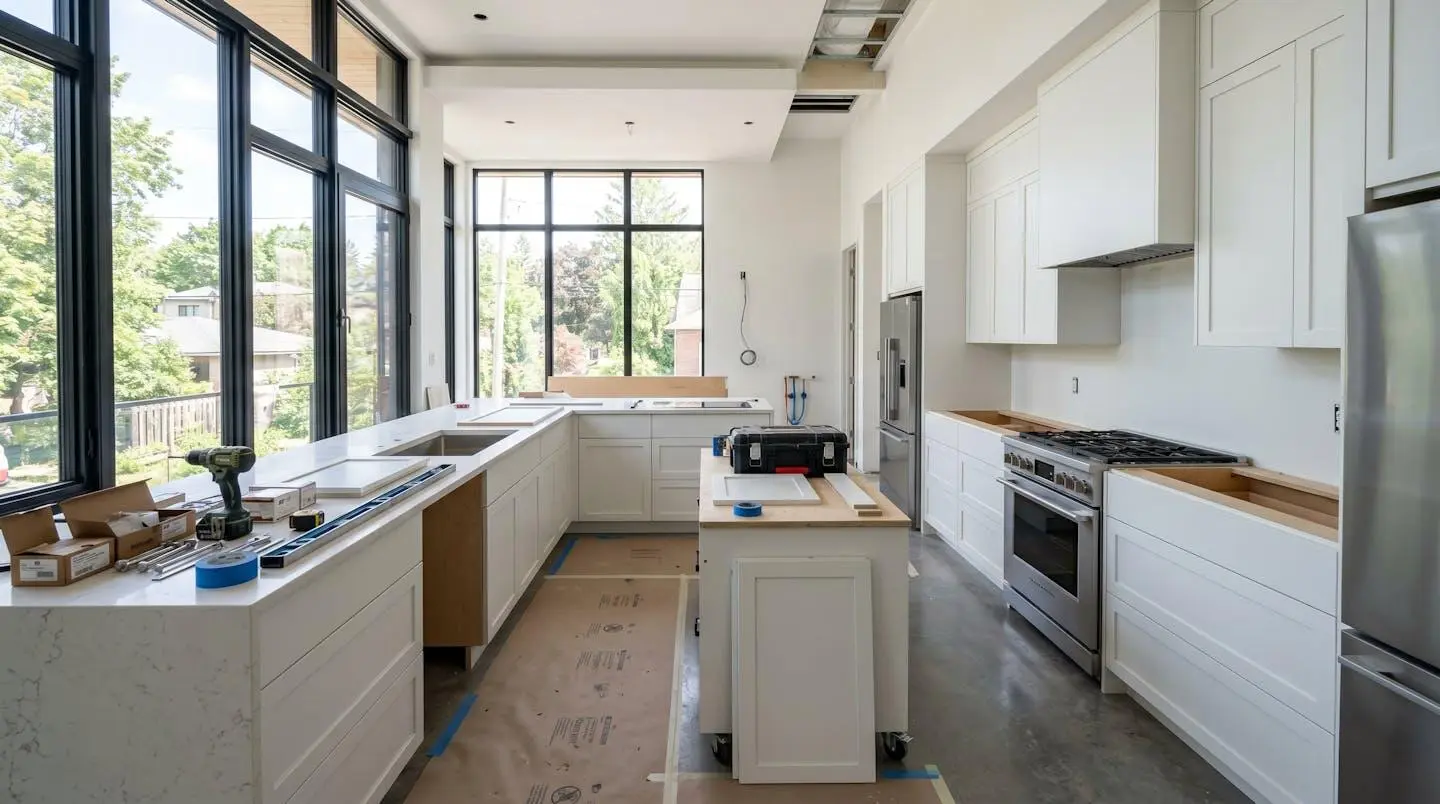
The growing professionalization of the renovation industry—including increased diversity through careers in roofing and construction—has contributed to more standardized pricing practices and transparent quoting processes, particularly for common projects like kitchens and bathrooms.
Ottawa’s 2026 Building Code fee schedule sets out that permit fees are calculated by multiplying the construction valuation by the applicable rate, with a minimum fee of $117 per application. While the fees themselves are modest and predictable, the approval timeline—typically 3-6 weeks in Ottawa—creates schedule risk. Projects that begin construction before permit approval face stop-work orders, leading to contractor standby costs and material storage fees that weren’t in the original budget.
Kitchens and basements typically fall into the moderate permit complexity category, where experienced contractors know exactly what documentation the City of Ottawa requires and can navigate the process without delays. Additions, by contrast, involve structural engineering submissions and sometimes zoning variance requests—processes with far less predictable timelines and outcomes.
Three budget success patterns (and two guaranteed failure modes)
Budget outcomes aren’t random. Ottawa renovations cluster into recognizable patterns—three that consistently deliver budget adherence, and two that reliably produce overruns. Understanding which pattern your current project follows lets you course-correct before signing a contract.
Success pattern 1: Fixed-scope projects with structural pre-assessment. These projects begin with a professional structural assessment before budget finalization. An experienced contractor or building inspector examines the space to identify potential issues: outdated wiring, plumbing concerns, structural deficiencies, moisture problems. The assessment costs typically range from $300-$800 in Ottawa, but it converts unknowns into knowns.
Typical sequence: contractor assessment identifies potential issues (subfloor damage, inadequate insulation, outdated electrical panel). Quote reflects these as included work or documented exclusions. No mid-project surprises. Final cost lands within 5-8% of estimate. Budget adherence rate for this pattern exceeds 75%.
Success pattern 2: Phased approaches with clear phase boundaries. Large renovations broken into distinct phases with separate budgets and contracts demonstrate better budget control than attempting everything simultaneously. A Nepean homeowner might phase a whole-home renovation as: Phase 1 – Kitchen ($38,000), Phase 2 – Primary bathroom ($22,000), Phase 3 – Basement finishing ($48,000), with each phase contracted independently and completed before the next begins.
Phasing prevents scope creep—the tendency to add « just one more thing » when contractors and materials are already on site. Each phase requires its own planning, permits, and closeout, creating natural stopping points where the homeowner reassesses budget capacity before proceeding.
The Ottawa market shows this pattern particularly in homes where owners plan multi-year renovation programs rather than attempting comprehensive overhauls in single projects. Budget adherence rates for properly phased renovations reach approximately 65-70%.
Success pattern 3: Material selections finalized before construction starts. Mid-project material decisions are budget killers. Budget-adherent projects finalize all material selections—flooring, tile, fixtures, hardware, paint colors, countertops—before construction begins. Contractors then order materials with confirmed pricing, eliminating the « we’ll figure it out as we go » approach that invites cost creep.
- If you have completed a professional structural assessment before finalizing your budget:
SUCCESS PATTERN 1 ACTIVE. Your budget adherence probability is HIGH (approximately 75-85% of projects in this category finish within 10% of estimate). Proceed with confidence, especially if materials are also pre-selected and permits are factored into your timeline.
- If you have NOT completed structural assessment, but your scope is clearly defined and documented in writing:
MODERATE RISK PROFILE. Budget adherence probability is MEDIUM (55-65% range). Consider investing in structural assessment now to avoid mid-project surprises. If your home was built before 1980, this assessment becomes critical—older Ottawa homes frequently have hidden issues that only surface during demolition.
- If your scope is flexible, evolving, or defined as « we’ll decide as we go »:
FAILURE PATTERN ACTIVE. Budget adherence probability is LOW (25-35%). PAUSE before signing any contracts. This profile matches the projects that experience the most severe overruns. Invest in planning and scope definition now, or expect significant cost increases once work begins.
Two failure modes appear with predictable regularity in Ottawa renovations. Failure Mode 1: permit-skipping. Work begins without approved permits to « save time, » then faces stop-work orders. The resulting delays, contractor standby costs, and rushed permit applications consistently blow budgets. Failure Mode 2: undefined scope. Contracts using vague language (« renovate kitchen ») without detailed specifications create endless disputes over what’s included versus change orders. Every ambiguity becomes a cost negotiation mid-project.
Your pre-renovation budget validation checklist
Before signing any renovation contract in Ottawa, these validation steps separate realistic budgets from wishful thinking. Each item either confirms you’re set up for budget success or reveals gaps that need addressing now rather than discovering them mid-project.

- Obtain three detailed written quotes from licensed Ottawa contractors—not verbal estimates or rough ballpark figures—with itemized breakdowns of labour, materials, and permits
- Verify all contractors hold valid WSIB (Workplace Safety and Insurance Board) coverage and minimum $2 million liability insurance—request certificates, don’t accept verbal assurance
- Confirm City of Ottawa permit requirements for your specific project and factor the 3-6 week approval timeline into your start date—do not allow construction to begin before permit approval
- Finalize all material selections (flooring, fixtures, tile, countertops, hardware, paint) before signing the contract—no « we’ll choose later » items should remain
- Allocate a 15-20% contingency fund separate from your base budget for unforeseen issues—this is non-negotiable for projects in homes built before 1990
- Request a payment schedule tied to completion milestones (demolition complete, rough-in inspections passed, finishes installed) rather than calendar dates—this protects you if the project runs behind schedule
- Document the complete scope in writing with a defined change order process that requires written authorization before any additional work proceeds—verbal agreements during construction create billing disputes
- Verify the contractor provides a written warranty on workmanship (minimum one year) and confirm warranty coverage for materials—get manufacturer warranty documentation at project completion
These validation steps aren’t bureaucratic formality—they’re the specific actions present in Ottawa renovation projects that finish on budget. Skip any single item and you’ve introduced a variable that can derail cost control.
The question isn’t whether your renovation will encounter challenges. Every project does. The determinant of budget success is whether those challenges surface during planning (when they’re manageable) or during construction (when they’re expensive). Contractors who push back against detailed planning, written specifications, or permit compliance are signaling their approach to budget management. The renovations that stay on budget in Ottawa share one unifying characteristic: they treat planning as the primary work, and construction as the execution of a thoroughly developed plan.
Limitations of this guidance:
- Cost estimates mentioned reflect Ottawa market averages for 2025-2026 and may vary significantly based on your specific project scope, material selections, structural conditions, and chosen contractor
- This guide provides general budgeting principles for educational purposes and does not replace a detailed, site-specific quote from a licensed renovation contractor for your individual situation
- City of Ottawa permit requirements, approval timelines, and fee structures are subject to change—verify current requirements directly with Building Code Services before beginning your project
Financial and project risks to consider:
- Risk of significant budget overrun if contingency funds are not allocated for unforeseen structural issues, particularly in homes built before 1990 where hidden deficiencies are common
- Risk of costly project delays and associated contractor standby charges if permit requirements are not researched and approvals secured before construction start date
- Risk of contractor payment disputes and project abandonment if scope of work and payment schedules are not clearly documented in a comprehensive written contract with defined change order procedures
Expert consultation recommended: For project-specific budget planning, structural assessment, and contract review, consult a licensed renovation contractor with demonstrated Ottawa Building Code expertise and verifiable references from recent local projects.