
You finish your antibiotic course, expect to feel better, and within a week notice something off—recurring discomfort, unusual discharge, or a mild burning sensation that was not there before. This frustrating pattern affects a significant proportion of women, and it stems from a straightforward biological reality: broad-spectrum antibiotics do not discriminate between harmful bacteria and the beneficial ones keeping your intimate flora balanced.
The good news is that targeted probiotic supplementation offers a practical route to restoration. This guide explains the science behind antibiotic-induced dysbiosis, outlines a timing protocol for effective recovery, and clarifies what to look for in a quality formulation—including how NUTERGIA Ergyphilus Intima addresses these criteria.
Your post-antibiotic recovery essentials:
- Antibiotics can reduce vaginal Lactobacillus populations within days, affecting 23–29% of reproductive-age women
- Effective restoration requires strain-specific probiotics at adequate CFU counts (typically billions, not millions)
- Taking probiotics at least 2 hours apart from antibiotics helps preserve viability
- Recovery timelines vary but clinical studies suggest 2–4 weeks for measurable improvement
Understanding why antibiotics cause this disruption—and what science reveals about reversing it—forms the foundation for choosing the right approach. The sections below move from mechanism to practical protocol, so you can take informed action rather than guessing.
What follows draws on peer-reviewed clinical research and official health guidance, not marketing claims. Each recommendation links back to verifiable sources.
Why Antibiotics Disrupt Your Intimate Flora
23–29%
Proportion of reproductive-age women affected by bacterial vaginosis globally
The vaginal microbiome in a healthy state is dominated by Lactobacillus species. These bacteria produce lactic acid, maintaining an acidic environment (typically pH 3.8–4.5) that inhibits pathogenic organisms. When broad-spectrum antibiotics enter the system, they target bacterial infections effectively—but they simultaneously deplete these protective Lactobacillus populations.
According to a systematic review of 16 randomised controlled trials published via PubMed Central, bacterial vaginosis affects 23% to 29% of women of reproductive age globally. The research confirms that antibiotic treatment frequently precedes these imbalances, creating conditions where opportunistic organisms—including Candida yeast and pathogenic bacteria—can proliferate.

The disruption is not always immediate. Some women notice symptoms 5–10 days after completing their antibiotic course, once the depleted Lactobacillus populations can no longer maintain the acidic pH barrier. This delayed onset often creates confusion—the infection being treated has cleared, yet new discomfort emerges.
Clinical practice indicates that without intervention, vaginal flora may take several weeks to months to rebalance naturally. For many women, this waiting period brings recurring infections, discomfort, and repeated GP visits. Targeted probiotic supplementation aims to accelerate this recovery by reintroducing the specific bacterial strains needed.
What Makes Ergyphilus Intima Effective for Post-Antibiotic Recovery
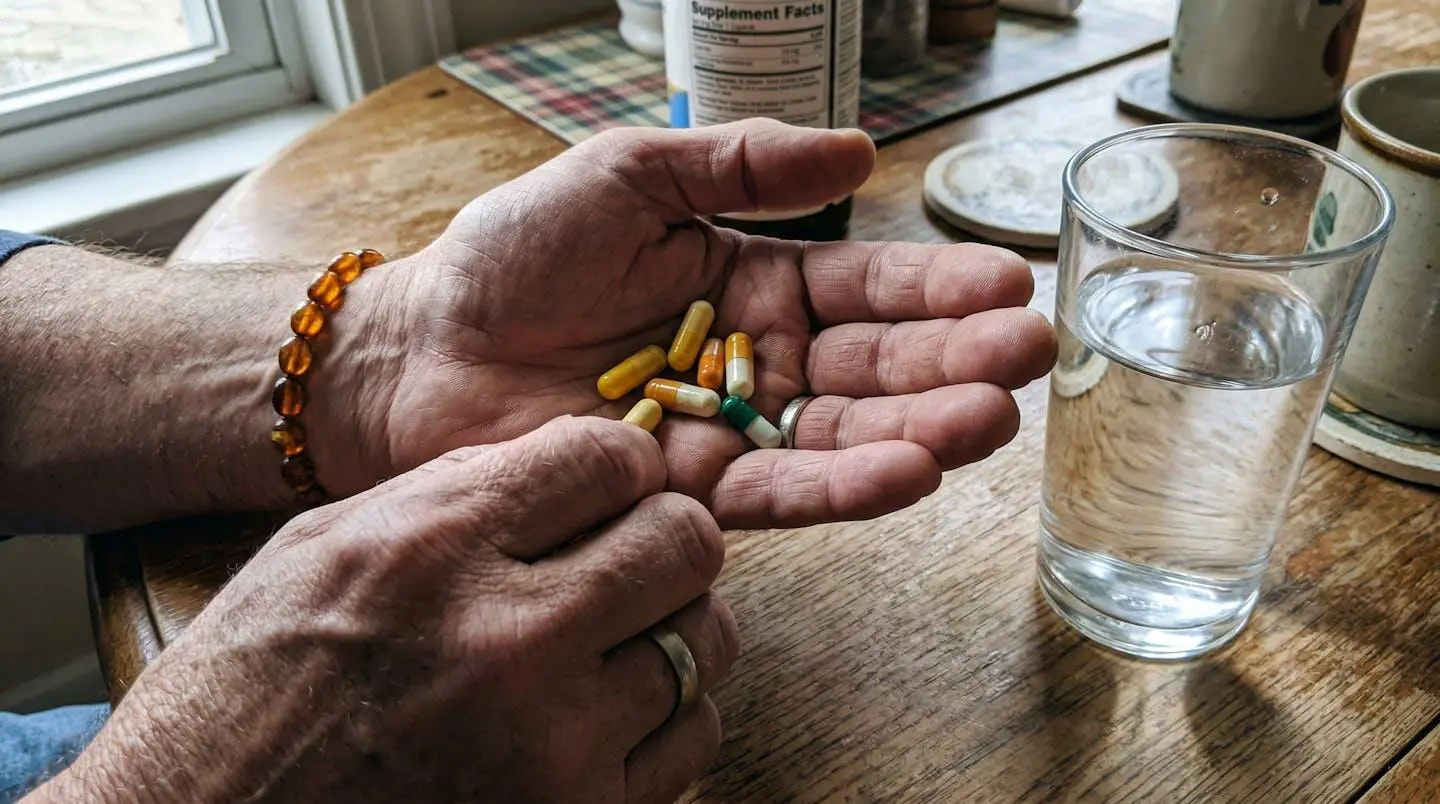
Not all probiotics serve the same function. Formulations designed for gut health often contain strains that do not colonise vaginal or urinary tissue effectively. For intimate flora restoration, research points to specific Lactobacillus strains—including L. crispatus, L. rhamnosus, and L. acidophilus—as the most relevant.
The systematic review mentioned earlier found that L. rhamnosus at 10 billion CFU daily for 10 days showed particularly strong results, while alternative strains at doses ranging from 100 million to 5.4 billion CFU demonstrated therapeutic potential across treatment periods of 6 days to 4 months. This research underscores an important point: both strain selection and adequate colony-forming units (CFU) influence outcomes.
A formulation like NUTERGIA Ergyphilus intima: probiotic intimate comfort addresses these criteria by combining 6 Lactobacillus and Bifidobacterium strains at 6 billion CFU per capsule. The multi-strain approach supports both vaginal and urinary ecosystems, while the revivable strain technology helps ensure bacteria remain viable through the digestive process.
Why generic gut probiotics often fall short: Strains optimised for intestinal health may not adhere to vaginal epithelial cells or survive in the acidic vaginal environment. Products formulated specifically for intimate flora contain strains with demonstrated ability to colonise urogenital tissue.
Allergen considerations matter too. Many probiotic supplements contain common allergens or additives that some users prefer to avoid. Ergyphilus Intima is formulated without gluten, soy, or titanium dioxide—a relevant detail for those with sensitivities or preferences for cleaner ingredient lists.
The product can also be used alongside antibiotic or antifungal treatments, which addresses a common practical question: whether to wait until the course finishes or begin probiotic supplementation during treatment. Clinical consensus increasingly supports the latter approach, with proper timing.
What to look for
-
Strain specificity: Lactobacillus strains proven to colonise urogenital tissue
-
Adequate CFU count: billions rather than millions per dose
-
Multi-strain formula: supports both vaginal and urinary ecosystems
-
Clean formulation: free from common allergens and unnecessary additives
Red flags to avoid
-
Vague labelling: “proprietary blend” without strain identification
-
Low CFU counts: millions rather than billions
-
Gut-only strains: not formulated for intimate flora support
How to Time Probiotics During and After Antibiotic Treatment
Timing creates confusion for many people starting probiotic supplementation alongside antibiotics. The concern is logical: if antibiotics kill bacteria, why take probiotics at the same time? The answer lies in strategic spacing rather than avoidance.
According to official NHS guidance on probiotic supplementation, probiotics are thought to help restore natural bacterial balance when disrupted by illness or treatment. Healthcare professionals generally recommend spacing probiotic and antibiotic doses by at least 2 hours. This gap allows antibiotics to reach peak concentration and begin clearing from the digestive system before introducing probiotic bacteria.
Important timing note: Taking probiotics at the exact same time as antibiotics may reduce probiotic viability. The 2-hour spacing is a minimum—some practitioners recommend 3 hours for broader-spectrum antibiotics.
The practical challenge is remembering to maintain this schedule across a 7–10 day antibiotic course. Setting phone reminders or keeping probiotics with a different meal than antibiotics helps establish the habit. For those exploring the role of dietary supplements in overall wellbeing, building consistent supplement routines becomes easier with clear triggers.
-
Take probiotic at least 2 hours after each antibiotic dose; maintain consistent daily timing -
Continue daily probiotic without timing restrictions; take with breakfast for consistency -
Maintain supplementation to support recolonisation; monitor symptoms for improvement -
Assess whether ongoing supplementation is needed based on symptom resolution; consult GP if concerns persist
A randomised controlled trial published in Clinical Infectious Diseases examined 174 premenopausal women with recurrent UTI history. After 4 months, UTI incidence was 70.4% in the placebo group compared to 40.9% with vaginal probiotics alone and 31.8% with combined oral and vaginal probiotics. These figures suggest sustained supplementation—not just a brief course—may be necessary for meaningful protection against recurrence.
The duration question depends on individual response. Some women notice improvement within 2 weeks; others require 6–8 weeks before symptoms fully resolve. Persistent or worsening symptoms after 4 weeks of consistent supplementation warrant a GP consultation to rule out underlying conditions.
Signs Your Intimate Flora Is Restoring Successfully
How do you know if the probiotic protocol is working? This question rarely gets addressed in generic articles, leaving users uncertain whether to continue, switch products, or seek medical advice. Recognising positive indicators—and distinguishing them from warning signs—helps guide next steps.
Restoration is gradual. You will not wake up one morning with a completely rebalanced microbiome. Instead, watch for progressive improvements over weeks rather than days.
Signs your intimate flora is recovering
-
Reduced unusual discharge or change in discharge consistency towards normal
-
Less frequent or absent burning sensation during urination
-
Absence of strong or unusual odour that was present post-antibiotics
-
Reduced itching or irritation compared to initial weeks
-
Longer intervals between symptomatic episodes if recurrence was the pattern
Conversely, certain signs indicate that self-care alone may be insufficient. Symptoms persisting beyond 4–6 weeks of consistent probiotic use, worsening pain, fever, or blood in urine require professional evaluation. These could indicate an active infection needing targeted treatment rather than supplementation.
Keeping a simple symptom diary—even just noting daily comfort level on a 1–5 scale—provides objective data to assess progress. This record also proves useful if you do consult a healthcare provider, giving them concrete information rather than vague impressions.
Your Questions About Probiotics and Intimate Health
Common concerns addressed
Can probiotics be taken during antibiotic treatment, or should I wait until the course finishes?
Many healthcare providers recommend starting probiotics during the antibiotic course rather than waiting. The key is timing: space doses at least 2 hours apart to reduce direct interaction. This approach helps maintain beneficial bacteria populations throughout treatment rather than trying to rebuild from a more depleted state afterwards.
How long should probiotic supplementation continue after antibiotics?
Clinical studies suggest continuing for at least 2–4 weeks after the antibiotic course ends. For those with history of recurrent infections, longer durations (up to several months) may provide better protection. Individual response varies, so monitoring symptoms helps determine appropriate duration.
Are probiotics safe for everyone?
According to NHS guidance, probiotics appear safe for most people. However, those with weakened immune systems, serious underlying health conditions, or central venous catheters should consult a doctor before starting supplementation. Pregnant or breastfeeding women should also seek professional advice.
Why choose a multi-strain formula over a single-strain probiotic?
Different Lactobacillus species offer complementary benefits. Some excel at vaginal colonisation, others support urinary tract health, and certain strains enhance immune function. A multi-strain formula like Ergyphilus Intima addresses multiple aspects of intimate flora rather than targeting only one mechanism.
What if symptoms persist despite probiotic supplementation?
Persistent symptoms after 4–6 weeks of consistent use warrant a GP or gynaecologist consultation. The underlying issue may require targeted treatment that supplementation cannot address—such as an active bacterial or fungal infection needing prescription medication.
Taking control of post-antibiotic recovery requires understanding both the science and the practical steps. The evidence supports targeted probiotic supplementation as a legitimate tool for restoring vaginal and urinary flora—not as a cure-all, but as part of an informed self-care strategy.